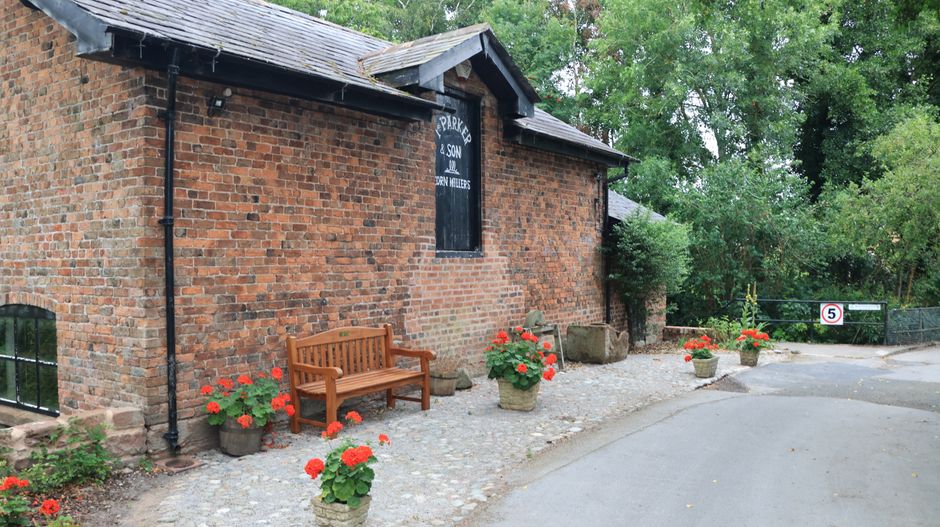
Barnet council rules for roadside flower displays Mill Hill
Posted on 04/10/2026
Barnet council rules for roadside flower displays Mill Hill: a practical local guide
If you are planning roadside flower displays in Mill Hill, the first thing to get right is not the flowers themselves, but the rules around where and how they can be placed. Barnet council rules for roadside flower displays Mill Hill can affect everything from safety and visibility to whether your display needs permission, extra caution, or a completely different setup. That sounds dry, I know. But in practice it saves a lot of hassle, especially if you are decorating a shopfront, marking a special occasion, or trying to create a neat, welcoming frontage along a busy road.
In this guide, we break the topic down in plain English. You will see how roadside flower displays are usually assessed, what risks councils care about, where people often go wrong, and how to plan a display that looks good without causing problems. If you have ever stood outside with a few buckets, looking at the pavement and wondering, "Is this actually allowed?", you are in the right place.
Table of Contents
- Why Barnet council rules for roadside flower displays Mill Hill Matters
- How Barnet council rules for roadside flower displays Mill Hill Works
- Key Benefits and Practical Advantages
- Who This Is For and When It Makes Sense
- Step-by-Step Guidance
- Expert Tips for Better Results
- Common Mistakes to Avoid
- Tools, Resources and Recommendations
- Law, Compliance, Standards, or Best Practice
- Options, Methods, or Comparison Table
- Case Study or Real-World Example
- Practical Checklist
- Conclusion
- Frequently Asked Questions
Why Barnet council rules for roadside flower displays Mill Hill Matters
Roadside flower displays can do a lot of good. They soften a street, make a business feel cared for, and create a more welcoming feel for neighbours and passers-by. But once a display sits close to the public highway, the issue stops being only visual. It becomes about safety, access, and responsibility.
In Mill Hill, that matters because roads, pavements, dropped kerbs, busier junctions, and narrow walking routes can all be affected by what seems like a simple arrangement of planters or flowers. Even a lovely display can cause a trip hazard if it narrows a footway. A flower trough placed badly can obstruct sightlines for drivers turning out of a side road. And a display that spills onto council land without permission can lead to complaints or removal.
Let's face it, most people who set out flowers are trying to improve a place, not make trouble. But councils tend to look at the practical consequences first. Is the display stable? Does it block access? Can emergency services pass? Could a child, cyclist, or person with mobility needs be affected? Those are the sorts of questions that shape the outcome.
There is also a reputational side. If you are a business owner, resident group, or community organiser, a neatly managed display makes a very different impression from something that looks half-anchored after a windy afternoon. A thoughtful approach shows respect for the street and for the people who use it every day.
Practical takeaway: roadside displays work best when they are treated as a shared-space issue, not just a decorative one. That mindset usually prevents problems before they start.
How Barnet council rules for roadside flower displays Mill Hill Works
There usually is not a single one-size-fits-all answer, because roadside flower displays can sit in different categories depending on where they are placed and what they affect. In broad terms, the council's concern will usually focus on whether the display is on private land, on the pavement, at the edge of the highway, or fully within the public realm.
If the display stays entirely on private property, such as within a forecourt or behind a boundary line, it is often simpler. Once anything moves closer to the pavement or carriageway, the risk level goes up. That is where the rules and local expectations become more important, and where you should be much more careful about access, visibility, and maintenance.
In practical terms, the council may be concerned with:
- safe pedestrian flow on the pavement
- visibility for road users and drivers leaving junctions
- obstruction of dropped kerbs, crossings, or driveways
- stability in wind and bad weather
- the risk of spill, soil, water, or loose items creating hazards
- whether the display could be mistaken for an obstruction, barrier, or unauthorised street furniture
There can also be differences between temporary and ongoing displays. A one-day floral arrangement for a local event is not the same as a permanent planter line outside a property. The longer it stays in place, the more important routine checks, maintenance, and permission become. Truth be told, a display that looks fine at 9 a.m. can look very different by 4 p.m. after a bit of foot traffic, drizzle, and wind.
If you are unsure whether your display touches the highway or simply sits close to it, it is worth pausing and measuring the space properly. A few centimetres can matter more than people think. That little bit of reality tends to appear only after someone has tripped, nudged it, or complained.
What usually changes the answer
Here is the part many people miss: the same floral idea can be acceptable in one location and awkward in another. A low planter near a quiet frontage may be fine, while the same planter outside a tighter pavement or busier road may be problematic. So the location matters just as much as the display itself.
- Traffic volume: busier roads bring more visibility concerns.
- Footway width: narrower pavements leave less room for error.
- Nearby junctions: corner plots need extra caution.
- Accessibility: wheelchair users, pushchairs, and pedestrians need a clear route.
- Weather exposure: wind and rain can quickly alter stability.
Key Benefits and Practical Advantages
When roadside flower displays are planned properly, the benefits are real and surprisingly broad. It is not just about beauty, although that matters. A tidy, compliant display can support a business, improve street character, and make a community feel cared for.
- Better first impressions: people notice a maintained frontage almost immediately.
- Community pride: flowers can make a street feel more lived-in and positive.
- Brand fit: for shops, salons, cafes, and local services, floral displays often reinforce a calm, welcoming identity.
- Event value: seasonal displays can add atmosphere for launches, celebrations, or memorial moments.
- Practical discipline: once a display is planned around safety, it tends to stay neater and easier to manage.
There is also a quieter benefit: good planning reduces stress. When everyone knows where the boundary is, who maintains the display, and what happens in bad weather, the whole thing becomes easier to live with. No surprise visits from a complaint, no panicked re-positioning at dusk, no awkward "we thought it was fine" conversation.
If your aim is to make your frontage feel warmer and more polished, flowers can be a smart choice. For many Mill Hill businesses, something understated works best: seasonal stems, compact arrangements, or a restrained planter rather than a bulky setup. Not everything needs to shout.
Who This Is For and When It Makes Sense
This topic is relevant for several groups, and each one has a slightly different reason for caring about the rules.
Local businesses
Cafes, salons, florists, convenience shops, and independent retailers often want a frontage that feels attractive and memorable. A roadside display can help, but only if it does not interfere with pedestrian access or create risk. If you are trying to attract footfall, the last thing you need is a display that makes people step out into the road. That is a classic own goal.
Community groups and residents
Neighbourhood groups sometimes place flowers for anniversaries, remembrance, local pride projects, or seasonal street enhancement. These displays can be beautiful, but they usually need sensible coordination because shared public space is involved.
Event organisers
If you are decorating for a wedding route, memorial gathering, charity event, or seasonal celebration, the display may be temporary but still subject to practical constraints. Temporary does not mean consequence-free. A few hours can still cause a blockage if the placement is poor.
Property owners and managers
Landlords, managing agents, and shopfront owners may be the ones who receive any complaint or request for removal. Even if someone else created the display, the property side of things often ends up dealing with the fallout. That is why it helps to agree responsibilities early.
Ask yourself: is the display meant to be decorative, directional, celebratory, or branding-led? The answer affects size, placement, and how much oversight you need. Different purpose, different rules of common sense. And common sense, annoyingly, still does a lot of heavy lifting here.
Step-by-Step Guidance
If you want to plan a roadside flower display in Mill Hill without causing issues, a structured approach is best. Here is a practical sequence that keeps things sensible.
- Define the purpose. Is this for a shopfront, a celebration, a memorial, or a seasonal enhancement? The purpose determines the expected duration and level of formality.
- Check the exact location. Measure where the display will sit in relation to the pavement, kerb, driveways, and any crossing point.
- Think about movement. Consider wheelchairs, pushchairs, delivery trolleys, and people who may need a straight walking line.
- Assess visibility. Make sure the display does not block sightlines for drivers, cyclists, or pedestrians.
- Choose stable containers. Use planters or vessels that will not tip easily, especially in exposed spots.
- Keep materials tidy. Loose soil, broken stems, trailing ribbon, and water pooling can all create issues.
- Set a maintenance routine. Agree who waters, trims, checks, and removes wilted flowers.
- Review after placement. Stand back and view the display from different angles. A display that looks lovely from inside the shop can feel tight or awkward from the pavement.
- Prepare a fallback plan. If wind, rain, or a complaint changes the situation, know how quickly you can adjust or remove the display.
A useful habit is to imagine the street from the point of view of someone who does not know the plan. Would they understand where to walk? Would they have to squeeze past? That simple test catches a lot of problems early.
Expert Tips for Better Results
After a while, you notice the difference between a decorative display and a well-run one. The well-run one is often quieter, honestly. Less fuss, fewer extras, more thought.
- Keep the footprint modest. Smaller is often smarter near pavements and corners.
- Use colours with restraint. In busy streets, a tightly edited palette can look more elegant than a lot of competing tones.
- Prefer weighted bases. If the display is exposed to wind, stability matters more than fancy presentation.
- Avoid trailing elements. Ribbons, long stems, and loose decor can catch on bags and clothing.
- Choose hardy flowers where possible. Some blooms hold up better in street conditions than delicate varieties.
- Inspect after rainfall. Wet surfaces and softened soil are where problems often appear.
- Plan for cleaning. If petals fall, leaves rot, or water spills, someone needs to deal with it quickly.
One small but important tip: take photos of the display once it is set up. Not for marketing, necessarily, but so you have a record of how it looked, where it sat, and how much space it left. That can be useful if questions come later. Bit boring, yes. Very useful too.
Another good habit is to think seasonally. A display that is perfectly manageable in a calm summer week may be much less suitable in a windy autumn spell. Weather changes everything more than people expect.
Common Mistakes to Avoid
Most issues with roadside flower displays are preventable. The same mistakes crop up again and again, and they are usually simple to avoid once you know what to look for.
- Blocking the footway: even a lovely arrangement can be a problem if people have to walk around it in the road.
- Assuming private frontage means no rules: not always true if the display affects public access or safety.
- Using unstable containers: lightweight pots and uneven bases can tip over easily.
- Overloading the display: too many items can make it feel cluttered and harder to maintain.
- Ignoring wind exposure: what looks fine in still air may not survive an exposed roadside.
- Forgetting maintenance: a fresh display can become messy quickly if no one is assigned to it.
- Leaving water or soil spills: damp patches can be slippery, especially on smooth paving.
- Not checking local context: a quiet side street and a main route are not the same thing at all.
The big one, really, is assuming that because a display is small it must be harmless. Small does not automatically mean safe. A tiny planter in the wrong place can still trip someone or narrow a route. It sounds obvious, but people miss it all the time.
Tools, Resources and Recommendations
You do not need complicated equipment to manage a roadside flower display well. You do need a few sensible tools and some repeatable habits.
- Tape measure: for checking widths, clearances, and spacing.
- Phone camera: useful for before-and-after records.
- Stable planters: choose something that will not wobble or slide.
- Watering routine: a simple schedule prevents neglected displays.
- Pruning scissors or snips: for tidying deadheads and overgrowth.
- Cleaning cloths and brush: for soil, leaves, and spill cleanup.
- Weather awareness: check conditions before adding anything light or tall.
If you are creating displays for a business, it may also help to link flower choices to broader frontage planning. For example, a business that keeps seasonal arrangements in shape may also care about presentation inside and outside. In that case, pages such as florist services in Mill Hill, flower delivery in Mill Hill, and same-day flower delivery in Mill Hill may be useful for sourcing flowers quickly and keeping displays fresh.
For display planning, it can also help to think about the type of arrangement you need. A compact bouquet-style design is very different from a large event piece. If you want a softer, seasonal look, something from the all flowers collection or a more restrained florist choice selection may be easier to adapt than a highly elaborate arrangement.
Law, Compliance, Standards, or Best Practice
This is the part where careful wording matters. Rules around roadside flower displays can depend on location, land ownership, the extent of public access, and whether the display encroaches on the highway or pavement. Local authority expectations, highways considerations, and general public-safety duties all come into play. You should not assume that something is allowed just because it looks temporary or decorative.
As a general best-practice principle, the display should:
- leave a clear and safe route for pedestrians
- avoid creating visibility issues at entrances, exits, and junctions
- stay stable in normal weather conditions
- be monitored and maintained throughout its use
- be removable quickly if needed
If a display touches public land, affects the pavement, or appears likely to obstruct passage, extra caution is essential. In many real-world situations, the sensible step is to check the exact position against the boundary and, where needed, seek the appropriate consent or guidance before setting anything out.
Best-practice principle: if you would hesitate to let someone with a pushchair, walking frame, or shopping trolley pass comfortably, the display probably needs to be adjusted.
That simple test is not a legal rule, of course, but it is often a very good practical one. It keeps the human side of compliance in view, which is usually where problems begin or end.
Options, Methods, or Comparison Table
There are a few common approaches to roadside floral decoration. The right one depends on the space, the purpose, and how much maintenance you are prepared to take on.
| Option | Best for | Pros | Watch-outs |
|---|---|---|---|
| Small planters at the frontage | Shops, cafes, discreet enhancement | Neat, flexible, easier to move | Can still obstruct if placed badly |
| Temporary event displays | Celebrations, launches, short gatherings | Good visual impact, easier to dismantle | Needs timing, supervision, and clear removal plan |
| Long-term decorative edging | Established businesses or managed fronts | Consistent look, strong branding value | Requires ongoing maintenance and possible permission |
| Large floral features | Special campaigns or high-impact projects | Striking and memorable | Higher risk of obstruction, wind issues, and complaints |
For many Mill Hill settings, the small-planter route is the easiest to keep under control. It tends to be less contentious, easier to reposition, and simpler to maintain. Large features can work, but they need more confidence and a lot more checking. No surprise there, really.
Case Study or Real-World Example
Here is a realistic example based on the kind of situation people often face in Mill Hill. A local independent business wants to brighten its frontage with floral displays outside the entrance. The owner has seen similar ideas elsewhere and wants something welcoming for customers, especially in spring.
At first, the plan is to place two tall planters near the pavement edge. On paper it looks lovely. In person, though, the footway is narrower than expected, and a delivery trolley would have to angle around them. A quick check also shows that the frontage sits near a side-road turning point, which means visibility matters more than anyone first thought.
The better solution is to move the planters back slightly onto private land, reduce the height, and use a tighter seasonal palette. The final result still looks inviting, but now people can walk comfortably past, the entrance feels open, and the display is far less likely to cause a complaint. That is the kind of adjustment that saves time later.
What made the difference? Not expensive flowers. Not a grand redesign. Just a bit of location awareness and a willingness to choose the safer version of a good idea. In our experience, that is usually where the best outcomes come from.
Practical Checklist
Use this checklist before setting out any roadside flower display in Mill Hill.
- Have you confirmed whether the display sits on private land or close to public highway space?
- Is there a clear pedestrian route past the display?
- Will wheelchairs, pushchairs, and trolleys pass without difficulty?
- Could the display block visibility at a junction, driveway, or crossing point?
- Is the container stable enough for the weather in that spot?
- Are there no loose items, trailing decorations, or spill risks?
- Do you have a maintenance plan for watering and tidying?
- Can the display be removed or moved quickly if needed?
- Have you checked the frontage at different times of day?
- Does the display still look sensible when viewed from the pavement?
If you can answer yes to most of these, you are on much safer ground. If not, it is worth adjusting before anyone else has to.
Conclusion
Barnet council rules for roadside flower displays Mill Hill are really about balance: making a street look better without making it harder or less safe to use. That is the heart of it. A good floral display should feel natural, tidy, and considerate, not forced or risky. When you plan the location carefully, keep pedestrian access clear, and stay alert to maintenance, you give yourself the best chance of success.
Whether you are a business owner, organiser, or resident with a good eye for street appeal, the smartest approach is to treat the display as part of the public environment. That mindset usually leads to better results, fewer headaches, and a nicer street for everyone. And if the flowers are fresh and the placement is right, the whole frontage just feels calmer somehow. A bit brighter too.
Get a free quote today and see how much you can save.
Sometimes the simplest display, done properly, is the one people remember most.
Frequently Asked Questions
Do I need permission for roadside flower displays in Mill Hill?
It depends on where the display sits and whether it affects public land, the pavement, or the highway. If it stays fully on private property and does not create any safety or access issue, it may be simpler. Once it moves closer to the public realm, caution is much more important. When in doubt, check before setting anything out.
Can I place flower pots on the pavement outside my shop?
Not automatically. Pavement placement can create access and safety issues, especially if the footway is narrow or busy. Even a small pot can become a problem if it reduces walking space or makes manoeuvring difficult for wheelchairs or pushchairs.
What counts as a roadside flower display?
It can include planters, troughs, decorative arrangements, floral edging, temporary event flowers, and similar items placed near the roadside or pavement. The key question is less about the flower type and more about where it is placed and what it affects.
Are temporary displays treated differently from permanent ones?
Often, yes. Temporary displays may be judged more leniently, but they still need to be safe, stable, and non-obstructive. Temporary does not mean ignored. A short-term display can still cause a complaint if it blocks access or visibility.
What should I avoid when setting out flowers near a road?
Avoid blocking the pavement, creating sightline issues, using unstable containers, and leaving water or soil that could make surfaces slippery. Also avoid cluttering the space so much that it feels like an obstacle rather than decoration.
Who is usually responsible if there is a complaint?
Usually the person or organisation that placed the display, and sometimes the property owner or manager, depending on the arrangement. If multiple parties are involved, it is sensible to agree responsibility in advance. That saves awkward conversations later.
What flowers work best for roadside displays?
Hardier blooms and well-supported arrangements tend to perform better outdoors. The best choice depends on exposure, season, and how much care the display will receive. In a windy or busy location, compact and resilient arrangements are often the safer bet.
How do I keep a display safe in windy weather?
Use heavier, stable containers, keep arrangements low enough to resist tipping, and check them more often when conditions change. If the site is especially exposed, a lighter decorative idea may need to be scaled back. Wind is the quiet troublemaker here.
Can roadside flower displays be used for events or memorials?
Yes, they can, but the same practical rules still apply. Even temporary commemorative or celebratory displays should not block access or create hazards. If the event is close to the highway or a busy pavement, extra care is sensible.
What is the safest way to plan a flower display near the street?
Measure first, place second, and review from the pavement side. Keep the design modest, stable, and easy to move. If the display feels even slightly awkward from a pedestrian viewpoint, it probably needs adjusting. Small changes can make a big difference.
Can I combine a flower display with other decorative items?
Yes, but the more elements you add, the easier it is to create clutter or risk. Balloons, signs, ribbons, and planters together can quickly become too much. If you do combine items, keep the arrangement simple and make sure nothing interferes with movement or visibility.
Where can I get flowers suitable for a display in Mill Hill?
For local sourcing and fast turnaround, it can help to choose a Mill Hill florist with delivery options that suit your timeline. If you need seasonal arrangements or a simpler style, browsing bouquet ranges and flower delivery options can make the planning process much easier.